Visar inlägg med etikett fåglar. Visa alla inlägg

måndag, december 16

November 2024 - Mauritius - Del I

 Time for a new destination and new adventures. As we find our priorities and planning for travelling changes a lot with a kid, Mauritius is probably not somewhere we'd pick just for the two of us - however, given the kind-of-reasonable travel time (3h + 10h flights), lack of tropical diseases, and small time difference (3h), this is where we ended up to get a dose of tropical-ness and escape from the Swedish almost-winter. And, I will say it was a good choice!

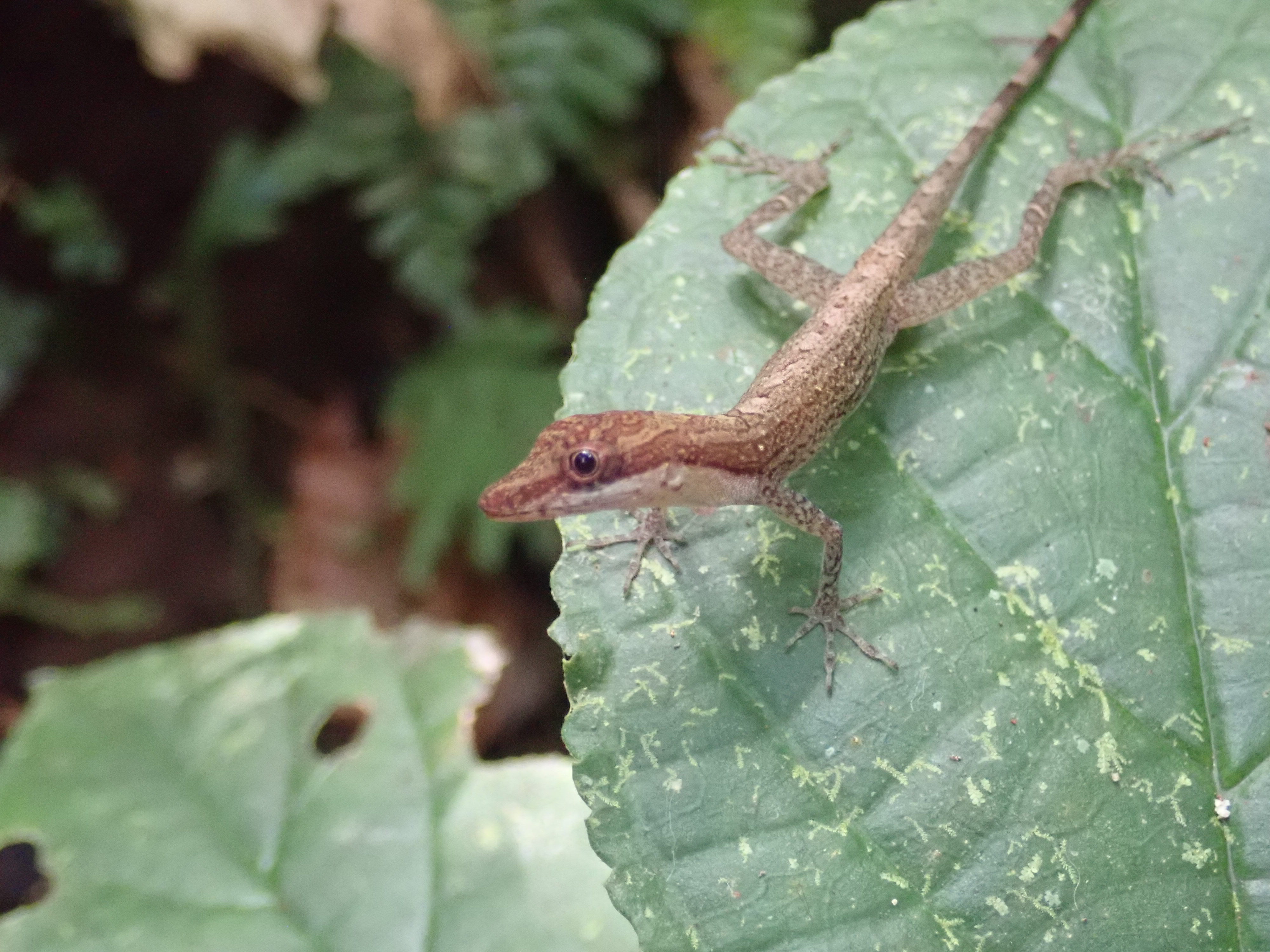
In total we spent two weeks on the island, and this first part will be for week one. Probably on the shorter side since we spent many days just relaxing on the beach or by the pool. This first week we had booked a small hotel in the North West part of the island, in the area Grand Baie. While not the most touristy area on the island, there were still plenty of hotels and a bunch of restaurants to choose from, while the local street food was slightly more sparse. Our hotel offered a nice breakfast with some local food options such as crêpe with smoked marlin, omelet with shallots and chili and fresh fruits and juices. We had a nice ocean view from our balcony, a warm swimming pool and a path directly down to the beach. Plenty of cute lizards and geckos and some curious birds visited our balcony (and sometimes room) along with the occasional cockroach and spider (much preferred the lizards, but they didn't really bother us so it was okay).

"our" beach

local birds very interested in our breakfast

the breakfast in question

During the first couple of days, the weather was a bit unstable (rainy and windy) due to a cyclone which luckily got downgraded to a storm before it passed a bit off the coast of the island. It was still good enough that we could spend mornings and afternoons at the beach and by the pool. While A had been unfortunate to catch a fever the day before we left, when she recovered she absolutely loved going swimming in the warm water (ocean around 26 degrees, pool slightly warmer) as well as playing on the beach, so it was easy to enjoy the days and take the opportunity to relax and get some well-needed rest.


For lunch we usually either went to the local super market to get fresh baguettes, cheese, fruit and vegetables (and some croissants from the bakery next door) to make sandwiches, or went over to the public beach to buy something from the local food wagons. Common street food dishes included fried noodles (mine frites), boiled noodles (mine bouille), fried rice, samosas, magic bowl (bol renverse - rice, meat and veg in gravy, and a fried egg placed in a bowl and then turned upside down onto a plate) and more, with seafood, egg, chicken and lamb being the most common types of protein (often in combination). Depending on the day of the week, sometimes other specialty food wagons would open up to serve boulettes ( kind of dumplings) and farata (roti/flatbread with some filling and rolled up). 

boulettes

bol renverse

As you can tell from the food names, the heritage from being a French colony is apparent in being one of the main languages spoken as well as some food items, while one of the main food influences stem from the big immigration of Indian population during the 1800s. As it was for a while a British colony as well, they are driving on the left side of the road which of course takes some getting used to.

During this first week we mainly did one excursion, to the Pamplemousses area where we visited the national botanical gardens, a big park with lots of different kinds of trees, as well as water lilies and lotuses. As with most nature areas trying to attract tourists on the island, there was also an enclosure for giant tortoises, once native to the island but now seemingly imported from Seychelles. While A appreciated any kind of animal we would show her, me and Valle were more excited about the (wild) chameleon which came walking across the path and we had the opportunity to admire briefly before it was unfortunately spotted by a guided group of tourists and then put on display on a stick.


Another rainy day, we drove along the North coast but didn't find any particularly amazing sights. We also spent an afternoon in the capital, Port Louis, where we went to the famous Central Market and walked around for a bit. The market was quite nice in that it felt like we were in South East Asia again with a very similar vibe. It did however feel like they sold almost exactly the same things, with the exception of all the dodo-related souvenirs as Mauritius is indeed the island where this bird existed once upon a time. When we walked around in the city, heading from the market up to the cathedral, there were a lot of local food places that looked very nice - if we hadn't already had lunch, we would have loved to explore these local eateries that felt much more authentic than the tourist oriented restaurants near the market and the waterfront.

For dinner in the evenings, we alternated between the available restaurants and had some very good Indian, Thai, and local food. We always opted for fish, seafood or vegetarian and had some really good curries.

That's about it for week one! Tune in for next post, where we did some more adventures and excursions being based on the East coast.

onsdag, april 27

Mars 2022 - Costa Rica - Tortuguero, Cahuita

 The Caribbean coast was definitely our favorite part of Costa Rica, with beautiful nature and fantastic opportunities to spot wildlife. To get from La Fortuna to Tortuguero, we took a shuttle (minibus + boat) since going by public transportation we wouldn't even be sure that we would make it the whole way in one day (4 buses + boat). The shuttle service was expensive; despite the many shuttle companies in the country it was not possible to pay anything less than $60. At least, we really enjoyed the trip. The boat tour, which was about an hour, was almsot like a sightseeing tour, as the captain would slow down in several places along the river so we could spot crocodiles, caimans, birds, iguanas and various other lizards. The small village is quite touristy but had a really nice atmosphere, with just a single "main street" with some restaurants and shops on each side.


In the evening we went looking for something small to eat, since we had had a late lunch. We found some street food (which generally seems quite uncommon in Costa Rica) - some grilled chicken skewers, or tortilla stuffed with a big piece of cheese and some sourcream. At one of the restaurants, we ordered a plate of patacones - smashed plantains, fried, and served kind of like fries but in a different format, and with a few dips, like guacamole and pico de gallo. Patacones soon became a favorite snack or side dish, somewhat reminding us of the tajadas we had in Honduras, but quite different still. Getting fried bananas with your burger or fish might seem like an odd idea, but it was so good

The next day we were up extra early, to head to the national park. The main area of the park has a walking trail, but also consists of waterways that can be traveled and experienced by canoe, kayak, or a boat with a silent motor. Most of the guided tours start at 6 am when the park opens, and though we decided to go by ourselves (and by kayak) we opted for the same time, hoping we would get the opportunity to spot some more animals. I can say that this was one of our top 3 experiences of this trip. One of the first things that happened when we started to paddle towards the canals was that we saw an otter in the water! As we paddled on, there were quite a few guided groups around, and this meant we were sometimes able to see caimans, or a sloth high up in the trees, that a tour guide pointed out.


The main benefit of going by ourselves though was that we could keep going when the tour groups turned around to head back, since we didn't have a time limit. As we paddled on, further into the river system, we saw several lizards, including the green basilisks, turtles, monkeys, and - a tamandua! A small, tree dwelling anteater with a long tail munching on a termite nest high up in the trees. That was a really cool experience, and one of my favorite wildlife encounters. On top of all that, the environment was incredibly beautiful and it was pretty amazing just paddling around in the quiet, serene jungle.


Tamandua! yeah, you might need to zoom in a bit...

Since the national park entry was valid for a full day, we took the walking trail in the afternoon. We spotted some green macaws cuddling up in a tree, and two guilty-looking raccoons crossing the path, but most of the trail was just a path by the beach.


The next day we went to another, smaller part of the national park which meant we first needed to take a boat taxi to the small village San Fransisco. Around the entrance and along the path were plenty of big spiders, which we assumed were not venomous (although quite creepy...) since they had let them be. This area is known to host red poision dart frogs, so of course we went scouting for them along the trail. We found two of them, very small and cute! The short trail went up a hill and provided us with a pretty view of Tortuguero, but spent about as much time waiting for the boat back as we did walking the trail. In the evening we had a very nice dinner, having shrimps in coconut sauce with pineapple rice and (of course) patacones. 


View of Tortuguero

The transportation to our final stop in Costa Rica was also a prebooked shuttle - which included a three hour boat ride, just as beautiful as all of the Tortuguero area, and then a short taxi to Cahuita. A small village, right next to a national park, but with a bit more touristy and expensive restaurants. Our first afternoon we decided to walk to one of the beaches in the area, and on the way we saw two sloths! This was the first ones we spotted by ourselves, and close enough to the ground that you could actually see for certain that it was a sloth.

In the morning, we woke up to the sound of howler monkeys, loud enough that I almost thought they were in the hostel garden. After breakfast we prepared some lunch sandwiches and headed to the park, which nicecly enough had a donation based entry fee (i.e. pay what want). The trail was 8km long and went through different types of nature which was really nice - the only downside was that it wasn't a loop, meaning we had to walk all the way back again (unless we wanted to try to catch a bus or a taxi). Along this trail we saw several sloths, monkeys (howlers, spider, and white faced capucins), raccoons and toucans. The beaches here were incredibly beautiful, so we also took the opportunity to spend some time on the pretty, white beaches until the park rangers came to shoo everyone out around 3pm.


We decided to come back again the next day, to do a shorter walk and spend most of the day on the beach. Despite our lunch sandwiches being safely stored inside a backpack, we were visited by both monkeys and raccoons sneaking up silently while were reading our books. We had learned the day before that trying to eat anything in the beach area would attract cheeky, thieving monkeys (and clearly raccoons as well, though they were much more timid), so we had to walk a bit further off in order to eat our lunch in peace.

Aside from the beautiful surroundings and beautiful beaches, Cahuita provided the best sloth encounters in Costa Rica as we saw many of them, and several close enough to the ground that we did not need binoculars to see them clearly. Walking around the cloud forests scanning the treetops is not necessary at all, if you plan on going to Cahuita.

fredag, april 8

Mars 2022 - Nicaragua - Isla de Ometepe, Popoyo

Our next stop in Nicaragua was Isla de Ometepe, and island with two volcanoes tied together with a chunk of land. We spent a whole week on this island, first exploring, hiking, and kayaking, and then a few days to just relax. The first three nights we spent in Moyogalpa, the town where we arrived with the ferry. Our hostel was a bit like a homestay as we had both breakfast and dinner in the family’s kitchen. One of the days we rented a scooter and drove around the island, which was longer than we expected, and with pretty bad roads in some parts, but with beautiful views.


Our first hike was the western volcano, Volcán Concepción, 1610 m high. The return trip took about 6,5 hours, and we walked about 16km. First we went through the forest, steep and sweaty in the heat, stopping occasionally when our guide showed us different plants and their usages. Once we got about halfway up, we took a bit longer break. As we got above the tree line we were greeted by strong winds which cooled us down quickly, though we took care to apply some extra sunscreen as the sun was still very strong. The last part of the hike we basically walked straight up the volcano on the steep, rocky and windy path. The crater was very impressive, and we enjoyed the incredible view from the top as well as a small lunch before we headed back down. In the trees on the way down we saw some howler monkeys, a capuchin monkey and plenty of blue jay magpies.


The last four days we spent at Finca Mystica, a place a bit further into the jungle on the south part of the island, with cozy bungalows and great food. The shuttle we took between our accommodations was kind enough to stop at Santa Cruz, where the weekly Saturday market offered various food and snacks, many of them vegetarian or vegan, so we could buy a bunch to bring with us. In the afternoon, we decided to join some other people at our hostel going kayaking in the wetlands. While the wetlands area was beautiful and we got to see lots of birds, turtles and a caiman, we had to paddle pretty far to and from this very small area, where we only spent about 10 minutes. However, we had good company and once we returned to the kayak place we enjoyed a few beers and the sunset before we headed back to Finca Mystica.


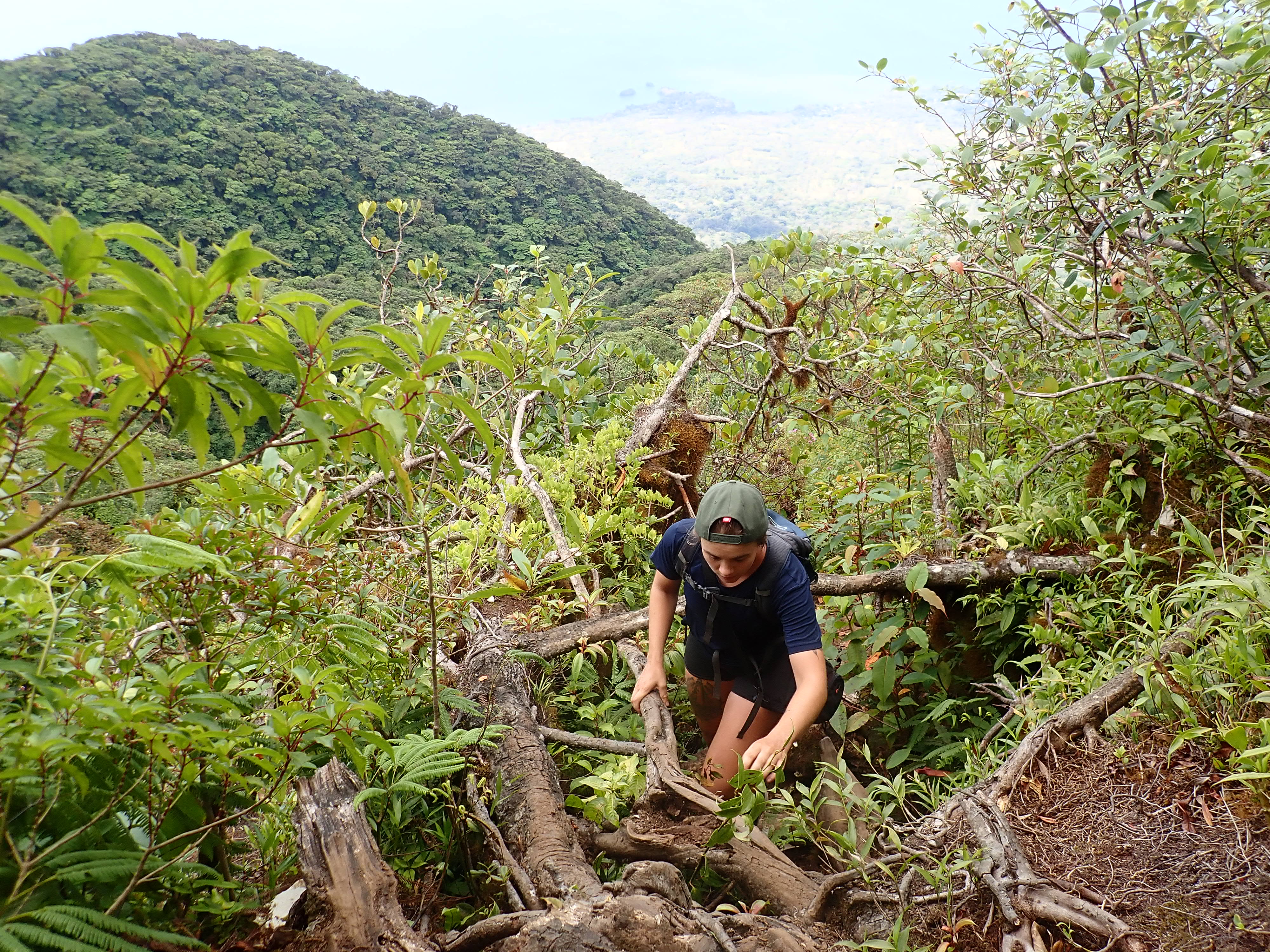
The next day, it was time to hike the second volcano, Volcán Maderas, 1394 m high. Maderas is a very old volcano which is now completely covered in forest, and with a crater lake. This hike was very different from hiking Concepción, and unlike any other volcano hike we have done before. When we got to about 1000 m elevation, the trail became very steep. Landslides had put big trees across the path, and we had to climb over, under and squeeze through branches and tree trunks, and often having to use both hands to climb our way up towards the summit. It was a lot of fun, definitely one of the more adventurous hikes we’ve done! As we had heard that it was possible to swim in the lake, we let our guide lead the way down into the crater. The trail down was very muddy and it didn’t take long before the both of us had stepped on what we thought was solid ground and ended up with a mud-covered shoe. And so, we were looking forward to a dip in the lake to wash off the mud before having some lunch. However, it turned out that the lake consisted of about 70% mud and just a small layer of water on top. Our attempts to swim ended up getting us more dirty than when we went in! If you ever find yourselves doing this hike – don’t try to swim in this lake. It’s not worth it. Overall we really enjoyed the hike though, and after hiking two volcanoes in just a few days we were happy to spend some more days just relaxing.


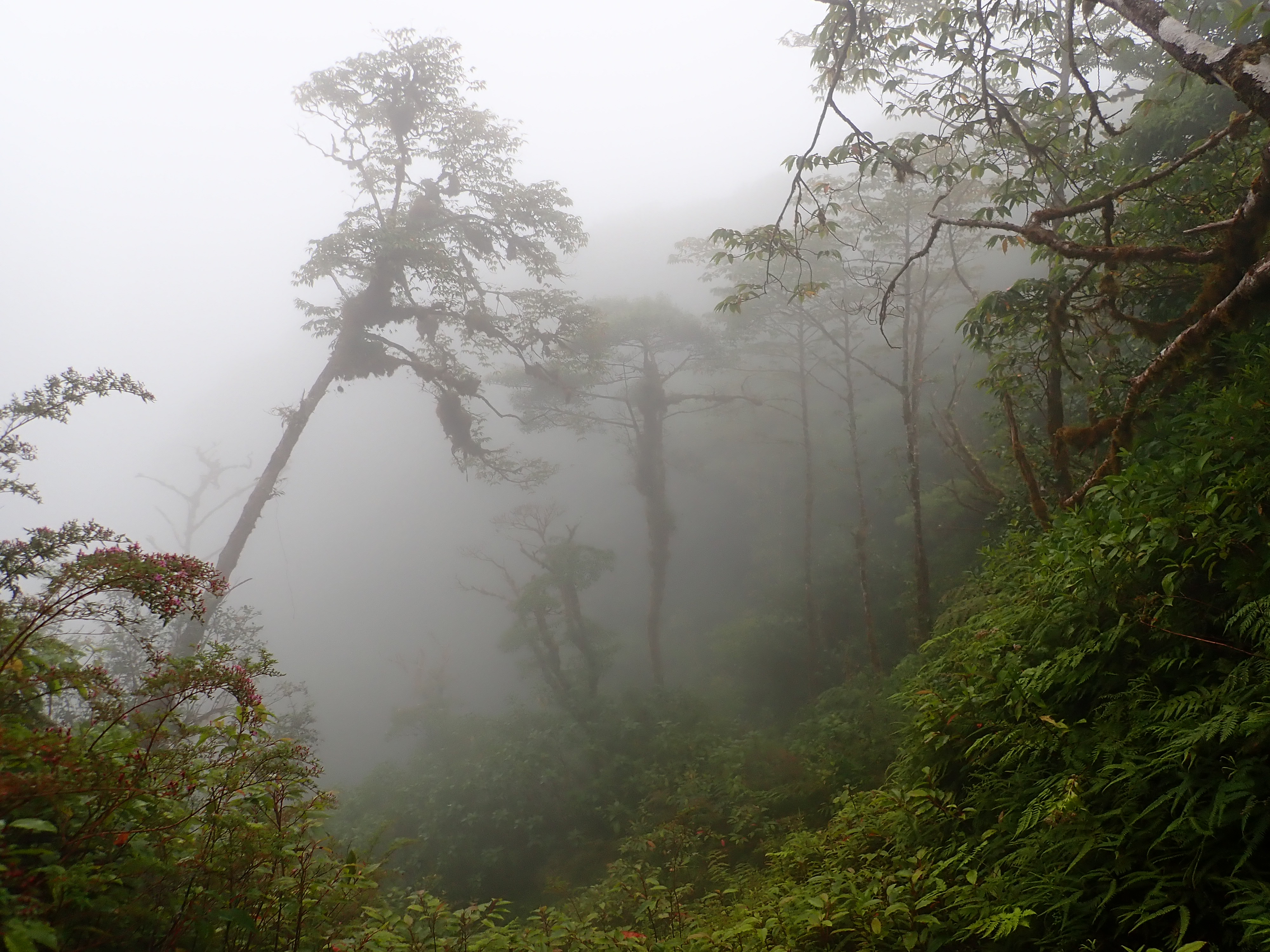
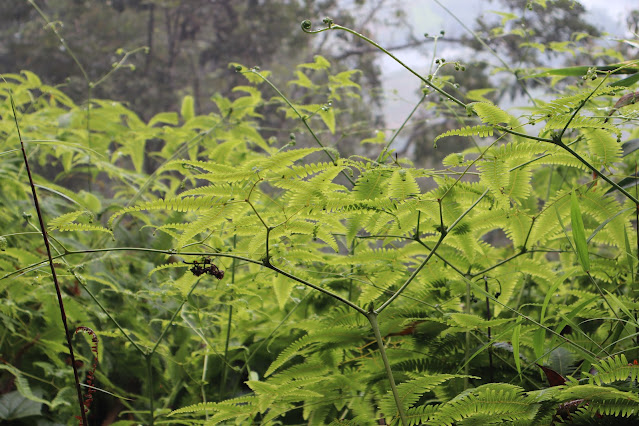
cloudy cloud forest

view of Concepción
the non-swimmable lake

Apparently we timed our stay with the last Sunday rodeo of the season, an event where all locals gather and there is plenty of food, drinks and music. This was however the same day that we hiked Maderas, and as we are not big fans of rodeo we decided to stay in, drink some local rum, and rest our tired feet. Others who went told us of a fun, chaotic evening with DJs as well as brass bands playing at the same time – no doubt an interesting experience.

Around this time, as we had been considering how and where to finish our trip and when to return home, the flight prices suddenly went up a lot, and we had to hastily buy a very expensive flight ticket back from Panama City. We also started to plan out a few stops in Costa Rica and Panama, and booked our accommodations during Easter as Semana Santa, as it’s called here, is a big holiday and we didn’t want to risk waiting and finding everything fully booked.

Time for our last stop in Nica, for which we chose Guasacate – the northern part of Playa Popoyo. Most hostels here were either expensive or fully booked, but we ended up finding a place via AirBnB – Casa La Aventura - that had a few rooms as well as our choice, a van remade into a “double room”. As with most of the Pacific Coast in this region, Popoyo is a surf spot, but we chose it as a place to relax, walk along the beach and read books. 


The hostess at our place told us about a turtle sanctuary a bit further north, where she had been lucky enough to see hundreds of turtles hatch, so we decided to rent bicycles for a day trip there. We stopped in El Astillero on the way, a small fishing village, where we had some nice lunch, including tostones con queso (fried plantain with big chunks of cheese). The last part of the road to the sanctuary was very steep, and we arrived tired, warm and sweaty only to find out that there were no turtles there, and that the beach still required and entrance fee to be paid. We managed to find another beach nearby where we rested a bit, before starting again on the long ride back. At least we got plenty of exercise, but I would say it’s not worth the trip (especially on rental bicycles) without knowing for certain it’s turtle season. A day walking along the beach and cooking some dinner was a nice way to finish off our time in Nica before heading to Costa Rica.


måndag, mars 21

Februari 2022 - Honduras - Lago de Yojoa

 From the warm, sunny beaches we went to the slightly cooler mountain area by the Yojoa Lake. We ended up staying in a small village, Agua Azul Sierra, on the east side of the lake, which had about three minimarkets, three restaurants, and not much else. While we explored all of those restaurants and had some nice tortilla con quesillo and pescado frito, we made breakfast and a few dinners ourselves in the kitchen at our hostel. Staying in this small village meant we made good use of the local chicken buses for our daytrips. They were cheap, and usually convenient, though we sometimes had to wait for 30-40 minutes in between buses.

The first excursion we made was to Parque Los Naranjos, an archaeological area near the river, with a boardwalk trail through some forest and wetlands - a popular destination for birdwatching. While we're not too knowledgeable about birds, we did hear and see plenty of them, most we couldn't name of course but they were often colorful. One bird we did recognize though was the toucan - the first one we've seen on this trip - which was a highlight. Another unexpected treat was to see two agoutis (which look like large guinea pigs/small capybaras) right by the trail.


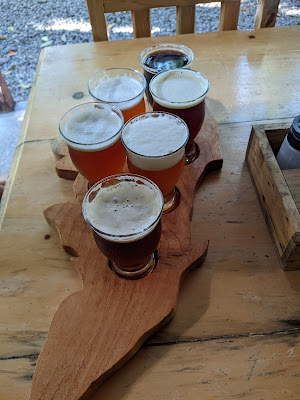
While in the area, we also stopped by the famous D&D brewery, where most tourists who pass by are staying. We had originally planned to stay there as well, but they didn't have any available rooms. At D&D they brew both coffee (which was really good) and beer (which we didn't like as much), and right down the road there is another nature area - the Finca Paradise Bioparque. The area has a few trails, as well as cacao and coffee plantations. As D&D also organizes tours, we inquired about a hike in the Santa Barbara National Park, which we would not be able to access on our own. However, there were no groups going that we could join, and we found it too expensive to do just the two of us.


Our second excursion was to the Pulhapanazak waterfall. Rumor has it that it's a popular spot for locals to go during the weekends; we went on a Friday morning and it was just a few other people there. The waterfall was beautiful, but the area was quite small so we didn't spend much time there. 


We spent a full day doing nothing as the rain was pouring down, reading and enjoying the calm atmosphere of our village, and just taking a short walk to get to a lunch restaurant a bit further up the road. Our last day, we went to Cerro Azul Meámbar National Park, also known as PANACAM. This park is one of the places where you can take a hike in a cloud forest, which is usually mossy and cool. Cloud forests make up only 1% of the global woodland, but there are a few different places in Central America where you can experience it. We walked a steep trail up the mountain and enjoyed the beautiful, thick forest. It was very quiet, and we hardly saw or heard any birds, which was quite the contrast from Los Naranjos. We did however encounter a family of coatis (näsbjörnar in Swedish) crossing the trail just ahead of us. They are very fluffy and cute, so that was a really nice treat!


On our way back to our hostel, we stopped by a small roadside "kiosk", a woman selling a few drinks and snacks and also making baleadas. These were definitely among the best baleadas we had in all of Honduras! Aside from baleadas, my favorite food was tajadas - thick slices of fried plantains which was often served as a side to the meals, kind of like fries. So good!

After we left Agua Azul Sierra and Lago de Yojoa, we had to spend two nights in the capital in order to get a PCR-test and other things ready for the Nicaraguan border. But Tegucigalpa is not a very nice city, and we mainly spent time there because we had to - so I'll just leave it at that.